Meet Your Doctor
Luke Sorrell, MD FACP
Board-certified internal medicine physician, Fellow of the American College of Physicians, A4M Fellowship in Longevity Medicine graduate, and founder of Sorrell MD — a precision longevity telemedicine practice serving patients in most U.S. states from Southlake, Texas.





At a glance
- Medical degree: The University of Texas Health Science Center at Houston (UTHealth Houston), 2017
- Residency: Internal Medicine, Baylor University Medical Center at Dallas, 2017–2020
- Board certification: American Board of Internal Medicine, certified 2020
- Fellow of the American College of Physicians (FACP): elected 2024
- Fellowship in Longevity Medicine: American Academy of Anti-Aging Medicine (A4M), completed June 2026
- Peptide therapy: Peptavo Certified Clinician, 2026
- Focus: longevity medicine, hormone and metabolic optimization, body composition, cardiovascular risk, gut health, fertility
- Licensure: Texas (primary) and most U.S. states — contact the practice for the current list
- Practice model: 100% telemedicine in most U.S. states — direct physician access, never a physician assistant
Advanced Training · Completed June 2026
Fellowship in Longevity Medicine
In June 2026 Dr. Sorrell completed the Fellowship in Longevity Medicine offered by the American Academy of Anti-Aging Medicine (A4M), the largest postgraduate training body in preventive, metabolic and longevity medicine. The fellowship is a physician-level curriculum that sits on top of his internal medicine board certification, adding formal training in the science of how people age and the clinical tools that measurably slow it.
- Endocrine and cardiometabolic optimization — hormones, heart health and metabolic resilience
- Neurovascular and metabolic synergy — the gut–brain connection for longevity
- Brain-first longevity — environmental triggers, neuroprotection and detoxification
- Gastro-nutritional strategies — precision gut health and diet optimization
- Clinical protocols — a systems-biology approach to longevity medicine
What this means for patients: the Sorrell MD Annual Longevity Program is built by a physician trained in both conventional internal medicine and the longevity specialty — able to order and interpret any test, prescribe any medication, and place the newer tools of the field (biological-age testing, peptides, hormone optimization, advanced lipid and metabolic markers) in proper clinical context.
Background
Dr. Luke Sorrell earned his medical degree from the University of Texas Health Science Center at Houston and completed his internal medicine internship and residency at Baylor University Medical Center at Dallas. He was board certified by the American Board of Internal Medicine in 2020 and elected a Fellow of the American College of Physicians in 2024.
His first year out of residency was spent as a hospitalist at Baylor University Medical Center at Dallas, working with the hospital medicine and procedure teams — which is to say, meeting patients at the point where preventable disease had already become unpreventable. He then spent several years in primary care in McKinney and Plano, where the same pattern repeated at a slower tempo: conditions that had been building silently for fifteen or twenty years, and roughly seven minutes in which to address them.
In late 2024 he moved into concierge longevity medicine at Gladden Longevity in the Dallas area, working with high-functioning executives on preventive and longevity care. He founded Sorrell MD in March 2026 to practice that medicine on his own terms: deep diagnostics, personalized protocols, and enough time to actually use them. In 2026 he completed the A4M Fellowship in Longevity Medicine and the Peptavo Peptide Therapy Certification, formalizing the training behind the practice.
Dr. Sorrell also served as an adjunct lecturer at Texas A&M University College of Medicine's Dallas campus from 2018 to 2021, precepting medical students in history-taking, physical examination and oral presentation.
Clinical Approach
A standard annual physical measures somewhere between fifteen and thirty biomarkers. A Sorrell MD workup measures 100 to 200 or more, selected against the patient's symptoms and goals: a full hormonal profile, advanced metabolic markers such as fasting insulin and HOMA-IR, cardiovascular markers including ApoB, Lp(a) and hs-CRP, nutrient status, and functional testing where it is warranted.
The point of that depth is not the data. It is that root causes are usually invisible at standard resolution — and once they are visible, they are frequently treatable years before they would otherwise surface as disease. Read more about root cause medicine and what a longevity doctor actually does.
Education & Training
-
June 2026Fellowship in Longevity Medicine
American Academy of Anti-Aging Medicine (A4M)
-
2017 – 2020Internal Medicine Residency & Internship
Baylor University Medical Center at Dallas — Dallas, TX
-
2013 – 2017Doctor of Medicine (MD)
The University of Texas Health Science Center at Houston (UTHealth Houston) — Houston, TX
-
2009 – 2013Bachelor of Science, Biochemistry
Abilene Christian University — Abilene, TX. Honors College graduate.
Certifications & Licensure
- Certified 2020 American Board of Internal Medicine Board certified in internal medicine. Verify credential →
- Elected 2024 Fellow, American College of Physicians (FACP) Elected fellowship recognizing demonstrated excellence and professional accomplishment in internal medicine.
- Completed June 2026 Fellowship in Longevity Medicine — American Academy of Anti-Aging Medicine (A4M) Postgraduate physician fellowship in endocrine and cardiometabolic optimization, the gut–brain–metabolic axis, neuroprotection, precision nutrition and systems-biology longevity protocols. About the fellowship →
- Certified September 2026 Peptavo Certified Clinician — Peptide Therapy Certification Evidence-informed peptide medicine. Credential ID PEP-YP56R-Y0EKG. Verify credential →
- Licensure Licensed in Texas and most U.S. states Primary licensure with the Texas Medical Board, with active medical licenses in most U.S. states. Contact the practice for the current list of states.
Professional Affiliations
- American College of Physicians (Fellow)
- American Academy of Anti-Aging Medicine (A4M)
- American Medical Association
- Texas Medical Association
- Dallas County Medical Society
- Longevity Docs
Research & Presentations
Dr. Sorrell's research background spans thoracic and cardiovascular surgery outcomes at MD Anderson Cancer Center, gastroenterology at the Ertan Digestive Disease Center, ophthalmology at the Ruiz Department of Ophthalmology and Visual Science, and enzyme biochemistry at Abilene Christian University. His case reports and research have been presented at the American Thoracic Society International Conference, the American College of Physicians North Texas Regional Conference, and Baylor University Medical Center Grand Rounds.
Advisory work
Alongside clinical practice, Dr. Sorrell serves as a medical advisor to several health technology companies, including Tulu Health, Empower Health and CognomIQ — work focused on bringing precision and longevity medicine into scalable clinical systems.
Areas of Practice
- Comprehensive Longevity Program — concierge longevity care with included diagnostics
- Hormone, Body Composition & Metabolic Therapy — HRT, TRT, GLP-1 therapy with muscle preservation, peptides
- Hormone Replacement Therapy — for men and women
- Body Composition Optimization — the drivers of fat gain and muscle loss
- Cardiovascular Risk Assessment — advanced lipids, inflammatory markers, imaging
- Gut Optimization — microbiome and functional testing
- Fertility Optimization — for men and women
- Root Cause Analysis — chronic fatigue, brain fog, metabolic dysfunction
- Chat-Based Care — message Dr. Sorrell directly
Writing
Dr. Sorrell writes regularly on hormones, metabolic health, longevity research and cardiovascular risk. Recent pieces include the one cardiovascular test almost nobody is given, why fasting glucose and A1c miss early insulin resistance, the two measurements that predict lifespan better than most lab values, and why he practices precision longevity medicine. The full archive is on the Sorrell MD blog, and new articles go out first on Substack.
In the Press
Journalists and TV news reporters quote Dr. Sorrell as an internal medicine and longevity expert.
-
I travel constantly. I asked two doctors how to keep it from taking a toll on my health
“Our natural circadian clocks run a little bit longer than 24 hours.”
Dr. Sorrell explains why eastbound trips are harder on the body clock than westbound ones. He recommends 0.5 milligrams of melatonin at the destination’s bedtime and bright light on waking, outdoors if possible or from a portable 10,000-lux lamp if not. He also names the markers frequent travelers should check with a physician (fasting glucose, fasting insulin, blood pressure and triglycerides) and says there is no clear figure for how much damage frequent time-zone changes can do. By Megan DeMatteo of Unimaginably Good Travel. Read his full answer.
-
This Common OTC Drug May Lower Your Dementia Risk by 70%—but There’s an Important Catch
“The key point in this study is that bleeding roughly doubled in exactly the group that appeared to benefit.”
Dr. Sorrell explains why a new genetic analysis of the ASPREE trial, which linked low-dose aspirin to about 70% less dementia in people with a high platelet-count genetic score, doesn’t change current advice. The score isn’t the platelet count on your blood test, the benefit and the harm were about the same size, and the finding needs replication and a dedicated trial. He also covers who is most at risk of bleeding and why consumer DNA calculators are no substitute. By Kayla Blanton. Read his full answer.
-
‘Pill Fatigue’ Is Real: Doctors Reveal the Gummies, Patches and Sprays That Actually Work
“The best alternative format is often fewer supplements.”
Dr. Sorrell explains why he checks vitamin D, B12, ferritin, magnesium and the omega-3 index before cutting a 10- to 15-product supplement list down to the few that matter. He also covers which formats suit which nutrients (drops for vitamins D and K2, powders for magnesium, creatine and fiber, chewables for B12 and calcium), why gummies and sprays fall short for minerals, and why patches are the format he trusts least. By Lisa Maxbauer. Read his full answer.
-
How Many Jumping Jacks Should You Be Able to Do by Age
“Men often do a few more reps on average because they tend to have more muscle mass, but fitness level outweighs sex.”
Dr. Sorrell gives rough jumping jack targets by age and explains what can hold your count down: joint pain, excess weight, pelvic floor problems, neuropathy, and heart or lung disease. He also covers why fast-twitch muscle fibers fade with age and why getting winded within 20 to 30 seconds may point to lower aerobic capacity. By Kathleen Ferraro. Read his full answer.
-
Early Testing Finds GLP-1s Could Slow Aging, but Doctors Urge Caution
“Right now we can’t tell whether these drugs slow aging itself or just reverse the damage of excess weight and high blood sugar.”
On new mouse data in Nature and the drugmakers’ own aging analyses, Dr. Sorrell explains why the results don’t yet separate a true anti-aging effect from the metabolic benefits of weight loss and better blood sugar. By Sean Salai. Read his full answer.
-
Woman Thought She Had a Crick in Her Neck, One Scan Changed Everything
“When I run environmental toxin panels on patients, it’s rare to find someone with no meaningful exposures.”
On a 26-year-old lash technician and permanent makeup artist diagnosed with Hodgkin lymphoma, Dr. Sorrell says her oncologist’s advice to step away from the work is reasonable: lash adhesives can release formaldehyde, some pigments contain azo dyes, PAHs and heavy metals, and most people carry several everyday exposures, though no one can say her job caused her cancer. By Alyce Collins. Read his full answer.
-
Alzheimer’s Association Strategy Aims to Incorporate Brain Health in Routine Care
“If it builds on what we already do, like the Medicare annual wellness visit, it can work.”
On the Alzheimer’s Association’s new Brain Health & Quality Care Initiative, Dr. Sorrell says it will succeed in primary care only if it fits a 15- to 20-minute visit and builds on the Medicare annual wellness visit rather than adding a long checklist. By Racheal Ede. Read his full answer.
-
Two of the Largest GLP-1 Drugmakers Say Their Medication Could Lengthen Lives
“We’re improving your blood sugar metabolism. We’re lowering your inflammation.”
On the Novo Nordisk and Eli Lilly aging-clock data, Dr. Sorrell explains that the benefit most likely comes from what GLP-1 drugs do to blood sugar and inflammation rather than anything magical about the molecule, and why clocks for different organ systems give different results. By Jeremy Baker. Watch the segment or read his full answer.
-
That Cough Has Been Hanging Around for Weeks—Here’s the Point When Doctors Want To Hear About It
“Treatment targets the cause, not the cough itself.”
Dr. Sorrell explains why a cough can linger three to eight weeks after a virus, why blood pressure pills like lisinopril are an overlooked cause, and how a chest X-ray, breathing tests and, for stubborn cases, nerve-calming medication and speech therapy get to the bottom of a chronic cough. By Emily Laurence Sardinha. Read his full answer.
-
If One Flight of Stairs Leaves You Winded, Doctors Say These Clues Can Tell You Whether It’s Your Fitness—or Something Else
“Stairs make a surprisingly good free fitness test.”
Dr. Sorrell explains the four-flight stair test, the symptoms that mean calling 911, the workup he would order (oxygen levels, an EKG, BNP and a cardiopulmonary exercise test), and how to train so stairs get easier. By Emily Laurence Sardinha. Read his full answer.
Podcast Appearances
Dr. Sorrell has been a two-time guest on Vitality Unfiltered with host David J. Bauder, PA-C, talking through how to vet an online testosterone clinic and which parts of longevity medicine actually hold up. He joined registered dietitian Ana Reisdorf on the GLP-1 Hub podcast to put the GLP-1 and vision-loss headlines in context, and he has also been a two-time guest on the Fit Over 50 Life podcast with hosts Mark Patrick and Kelli Calabrese, talking through the testing that shows how fast a person is actually aging.
-

Longevity Medicine: What Really Works vs. What’s Hype?
Healthspan versus lifespan, the four foundations that matter more than any supplement, GLP-1s and muscle loss, where peptides stand on the evidence, the advanced tests that change decisions, and why Dr. Sorrell leans toward coronary CT angiography over a calcium score. Read the written summary.
-

Online Testosterone Clinics: Are You Getting Real Medical Care?
The three things to look for in an online TRT clinic (hormone training, a root-cause evaluation, ongoing monitoring), why estradiol, PSA and hematocrit need watching, treating symptoms and lab values together, and the changing view of menopause hormone therapy. Read the checklist.
-

Ozempic and Vision Loss: What You Need to Know
What NAION is, what the semaglutide studies show and where they fall short, why “double the risk” of a 1-in-10,000 condition is still rare, and the practical steps (blood pressure, sleep apnea, hydration, an eye exam) that lower risk. Read the written summary.
-
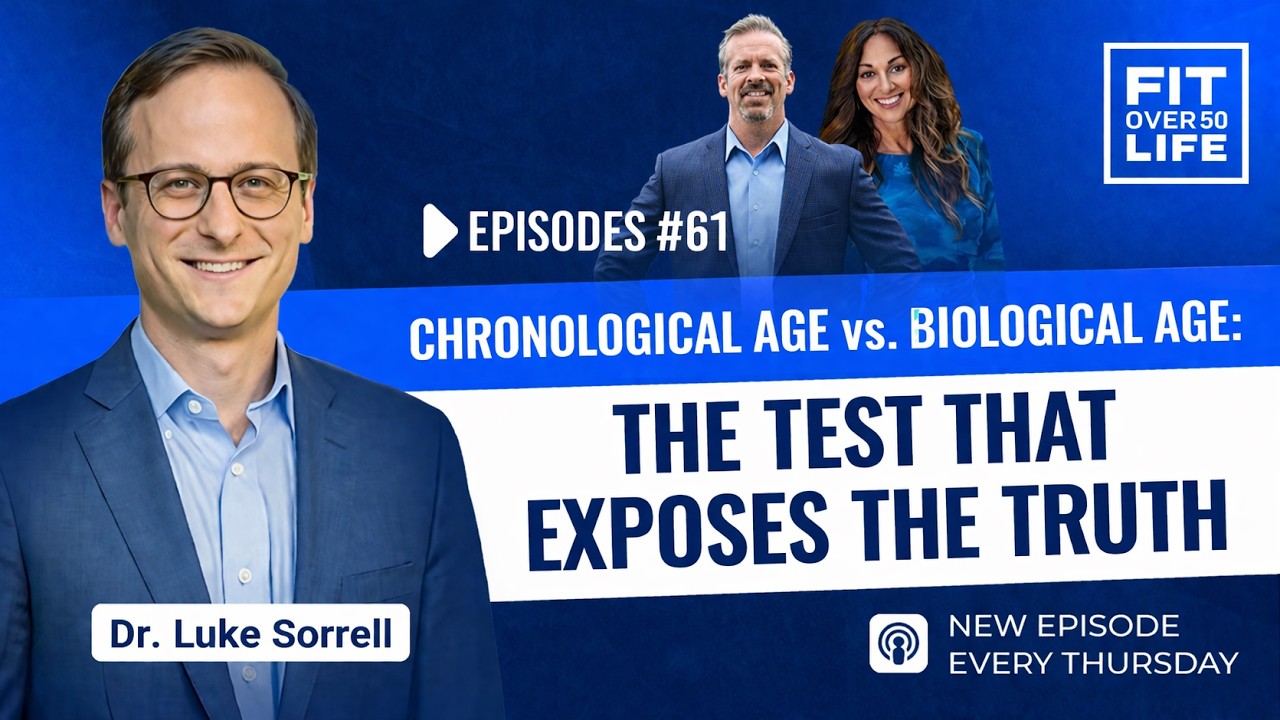
Chronological Age vs. Biological Age: The Test That Exposes the Truth
Dr. Sorrell reviews host Mark Patrick’s TruAge epigenetic test live on air: what DNA methylation measures, how an overall biological age differs from organ-system ages and pace of aging, what telomere and inflammation results mean, and which habits, starting with sleep, move the numbers.
-
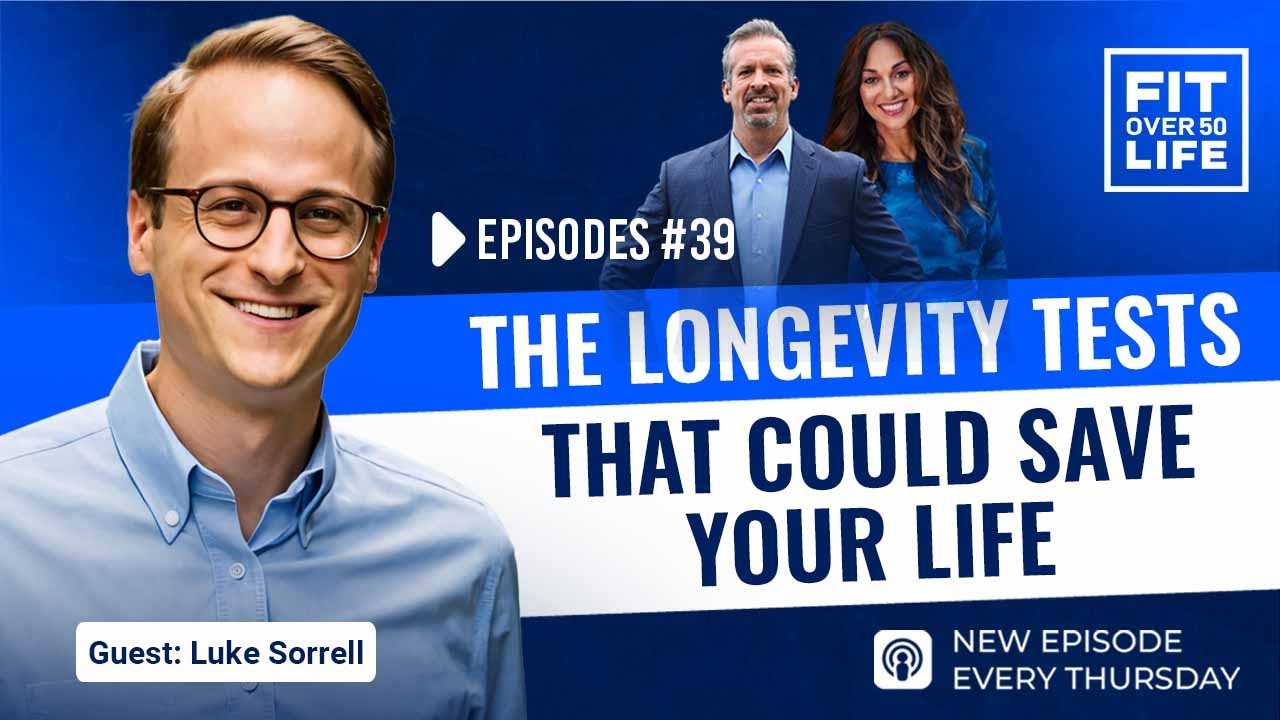
The Longevity Tests That Could Save Your Life
Why a standard annual physical misses early disease, and the testing that finds it: lipid markers beyond LDL including Lp(a), how genetics shape statin response, brain-health testing and Alzheimer’s risk, DEXA for bone density and body composition, and biological-age testing.
Both Fit Over 50 Life episodes were recorded while Dr. Sorrell practiced at Gladden Longevity, before he founded Sorrell MD, so references to that practice reflect his role at the time.
Frequently Asked Questions
Is Dr. Luke Sorrell board certified?
Yes. Dr. Sorrell has been board certified in internal medicine by the American Board of Internal Medicine since 2020, and his certification can be verified online. He was elected a Fellow of the American College of Physicians (FACP) in 2024.
What is the A4M Fellowship in Longevity Medicine?
The Fellowship in Longevity Medicine is a postgraduate physician training program from the American Academy of Anti-Aging Medicine (A4M). Its core modules cover endocrine and cardiometabolic optimization, the gut–brain–metabolic connection, neuroprotection and environmental medicine, precision nutrition and microbiome science, and systems-biology clinical protocols. Dr. Sorrell completed the fellowship in June 2026.
What kind of doctor is Dr. Sorrell?
Dr. Sorrell is a board-certified internal medicine physician who practices longevity and precision medicine. He trained as an internist at Baylor University Medical Center at Dallas, worked as a hospitalist and then in primary care, and moved into concierge longevity medicine before founding Sorrell MD. His practice focuses on hormone and metabolic optimization, body composition, cardiovascular risk, gut health and fertility.
Can I see Dr. Sorrell if I do not live in Texas?
Very likely. Sorrell MD is a telemedicine practice and Dr. Sorrell is licensed in Texas and most other U.S. states; contact the practice to confirm coverage in yours. Labs are drawn at a Quest, LabCorp or hospital laboratory near you, imaging is scheduled locally, and all visits and messaging happen online. In-person appointments in Southlake, Texas are available by request.
Will I see Dr. Sorrell directly, or a physician assistant?
Every patient works directly with Dr. Sorrell. Sorrell MD does not use physician assistants or nurse practitioners; every appointment, message and protocol decision is handled by the physician.
Is Sorrell MD a single-physician practice, and what does that mean for continuity?
Yes, by design. Every patient sees the same board-certified internist at every visit and every message is answered by him, which is the reason the practice exists. Continuity is protected in practical ways: patients own their records and can export them at any time, labs run through national laboratories and stay accessible in the patient's own accounts, prescriptions are filled at the patient's own pharmacy, and monthly memberships carry no long-term contract. Planned absences are communicated in advance with guidance for time-sensitive needs. Sorrell MD is not an emergency service; urgent symptoms are always directed to local emergency care.
How does Sorrell MD decide what to test and what to prescribe?
Every recommendation is sorted into one of three evidence tiers and labelled as such: guideline-based prevention first, strong-but-emerging options once those are in place, and experimental or off-label therapies only case by case with written consent. Testing is baseline for everyone, risk-directed after that, and repeated on a schedule tied to what is being treated. The full policy, including what the practice will not prescribe, is published at How We Decide.
Practice Details
Sorrell MD operates entirely by telemedicine. It is a direct-pay practice and does not bill insurance directly, though many patients use HSA or FSA funds, and superbills are available on request. In-person appointments in Southlake are available by appointment only.
Sorrell MD PLLC1560 E Southlake Blvd, Ste 100
Southlake, TX 76092
817-518-3467 · info@sorrell-md.com
Contact page · Brand facts
Work With Dr. Sorrell
A free 30-minute call is the fastest way to find out whether this approach fits what you are trying to solve.
Book a Free Consultation